ROV Hull Cleaning
In-Water Soft Cleaning
Marine biofouling removal without dry-docking, with ≥80% debris capture and full compliance with DIRECTEMAR Circular A-52/007.
Request ServiceWhat is ROV Soft Cleaning?
ROV soft cleaning is an in-water hull cleaning technique that uses remotely operated vehicles (ROVs) fitted with low-pressure brushes and active suction systems to remove biofilm, algae and bio-invasive organisms from ship and vessel hulls without dry-docking.
The system simultaneously captures the removed debris, preventing its dispersion into the marine environment. MARES CHILE operates under the technical standards set by DIRECTEMAR Circular A-52/007, which regulates biofouling management in Chilean waters.
Every operation concludes with a certified technical report including photographic records, recovery data and proof of regulatory compliance.
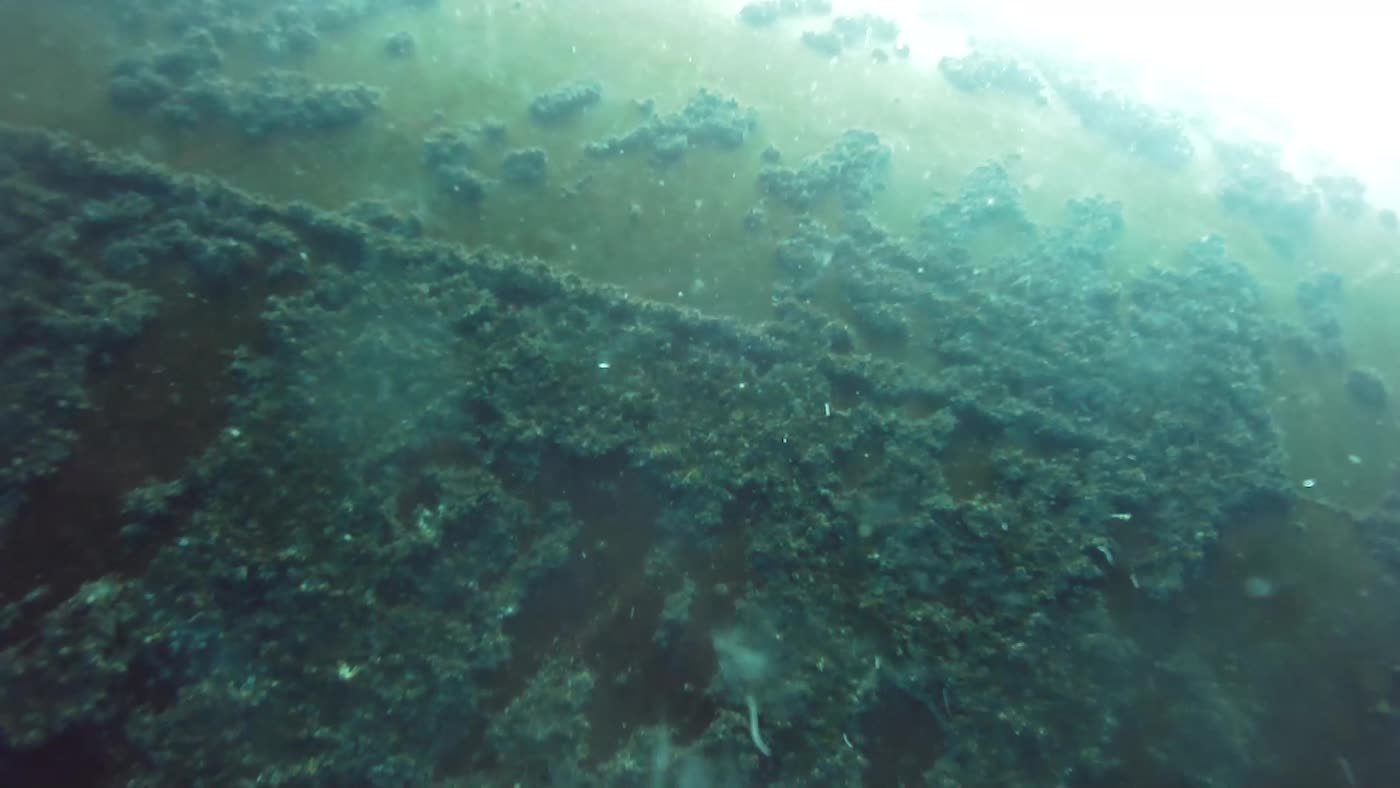
Advantages over traditional methods
- No dry dock: The vessel remains operational throughout the cleaning, with no dry-docking costs.
- Capture at source: Active suction system captures debris at the source. Meets environmental requirements.
- Certified records: Report with coordinates, recovered volume and photos ready to submit to DIRECTEMAR.
- High-resolution ROV: Integrated FullHD camera documents pre- and post-cleaning condition of the entire underwater hull.
- In force July 2026: Compatible with the requirements of Circular A-52/007, fully in force as of July 2026.
Work Process
Preliminary assessment
Visual ROV inspection of hull condition. Biofouling level is assessed and the operation is planned.
Soft-cleaning
The ROV systematically covers the hull with low-pressure brushes, without damaging the antifouling coating.
Active suction
Simultaneous suction system captures the removed debris in certified containers.
Report and certification
Delivery of a technical report with recovery data, FullHD photos and A-52/007 compliance certificate.
The real cost of not cleaning
Each day in dry dock can cost between USD 15,000 and USD 50,000. MARES CHILE cleans your vessel's hull in under 8 hours, no dry dock, no loss of operation.
Additional fuel savings
A clean hull cuts bunker consumption by 5% to 15%. For a merchant vessel, that means tens of thousands of dollars a year — in fuel alone.
Voluntary today.
Mandatory tomorrow.
BIMCO and GloBallast biofouling management guidelines are already enforceable in the European Union, Australia and New Zealand. Chile has historically adopted these international standards with a lag of 3 to 5 years.
Shipowners who structure their protocols today will be in compliance when the rule becomes mandatory. Those who wait will have to do it under pressure, with cost overruns and risk of vessel detention.
Today · EU, Australia, New Zealand
BIMCO and GloBallast guidelines active. Fines for non-compliance and risk of port detention.
Today · Chile · Circular A-52/007
Compliance recommended. No active fines yet, but the global regulatory trend is clear and irreversible.
In 3–5 years · Chile · Mandatory Rule
Active fines and detention of vessels without a compliance record. Those with protocols in place will avoid cost overruns.
Frequently asked questions
¿Qué es el Soft-Cleaning ROV?
El soft-cleaning ROV es una técnica de limpieza de casco subacuática que utiliza vehículos operados remotamente (ROV) con cepillos de baja presión y succión activa para remover biofilm, algas y organismos bioinvasores del casco de naves sin necesidad de llevarlos a dique seco.
¿Es necesario llevar la nave a dique seco para limpiar el casco?
No. Con el sistema ROV de MARES CHILE la nave permanece operativa en el agua durante toda la limpieza. Se eliminan los costos de varada, traslado a dique y pérdida de ingresos operacionales.
¿La limpieza ROV cumple con la Circular A-52/007 de DIRECTEMAR?
Sí. El servicio incluye succión activa con recuperación superior al 80% exigido por la normativa, y entrega informe técnico certificado con todos los datos requeridos por DIRECTEMAR.
¿Cuánto tiempo dura la limpieza de casco con ROV?
Una limpieza completa de casco con ROV se realiza en menos de 8 horas, dependiendo del tamaño de la nave y el nivel de biofouling. La embarcación permanece en su fondeadero o muelle durante todo el proceso, sin afectar la operación.
¿Cuánto cuesta la limpieza de casco ROV versus el dique seco?
El dique seco puede costar entre USD 15.000 y USD 50.000 por día, con operaciones que se extienden 3 a 7 días. La limpieza con ROV se realiza en el agua en menos de 8 horas, sin costos de varada ni pérdida de ingreso operacional, lo que representa un ahorro de decenas de miles de dólares por ciclo.
¿Qué es el biofouling y por qué es importante controlarlo?
El biofouling es la acumulación de organismos marinos (algas, percebes, bacterias) en el casco de una embarcación. Aumenta la resistencia al avance, eleva el consumo de combustible entre un 5% y 15%, y facilita la introducción de especies bioinvasoras. Su control es exigido por la Circular A-52/007 de DIRECTEMAR en Chile.
¿Con qué frecuencia se debe limpiar el casco?
La frecuencia depende del tipo de antifouling, la zona de operación y el tiempo en puerto. En general, se recomienda una limpieza cada 6 a 12 meses. MARES CHILE realiza una evaluación previa con ROV para determinar el estado real del casco antes de planificar la intervención.
¿En qué puertos de Chile operan?
MARES CHILE opera en los principales puertos y terminales de Chile, incluyendo San Antonio, Valparaíso, Talcahuano, Puerto Montt, Punta Arenas y puertos del norte del país. Consulte disponibilidad para su zona de operación.
¿Qué ocurre si no se cumple la Circular A-52/007?
El incumplimiento de la Circular A-52/007 de DIRECTEMAR puede derivar en sanciones administrativas, restricciones de zarpe y observaciones en las inspecciones de Estado Rector de Puerto. Contar con un informe certificado de limpieza es la forma más directa de demostrar cumplimiento ante la autoridad marítima.
Related services
Hull cleaning is part of an ecosystem of specialized marine services
A-52/007 Regulation
Everything about the DIRECTEMAR circular regulating hull cleaning in Chile. Requirements, penalties and compliance.
Underwater Inspection
Visual and technical hull inspection with FullHD ROV. The ideal complement before or after cleaning.
Mooring & Port Facilities
Inspection and maintenance of mooring structures, piers and underwater port systems.
Anti-Narcotics Inspection
Technical hull search for attached foreign objects. ISPS protocol and certification.