Mooring Systems &
Port Facilities
Inspection, maintenance and certification of mooring systems: buoys, chains, shackles, piles and terminals. Underwater ROV operations in Chilean ports and terminals.
Request ServiceMooring and port infrastructure services
Buoys and mooring systems
Visual and integrity inspection of mooring, navigation and marker buoys. ROV verification of chains, shackles, sinkers and mooring connections.
Chains and shackles
Assessment of wear, corrosion and elongation of mooring and anchoring chains. Identification of critical points and replacement recommendations.
Piles and structures
Inspection of concrete and steel piles at piers, basins and terminals. Detection of corrosion, cracking, scour and biodeterioration from marine fouling.
Mooring dolphins
Survey of structure, anchors and connection condition on mooring and berthing dolphins. Structural integrity assessment for operational certification.
Terminals and ramps
Inspection of berthing faces, basin floors and access structures. Complementary bathymetry to verify available draft.
Submerged infrastructure
Inspection of underwater pipelines, cables, conduits and critical infrastructure below sea level at terminals and ports.
Why ROV for mooring and infrastructure?
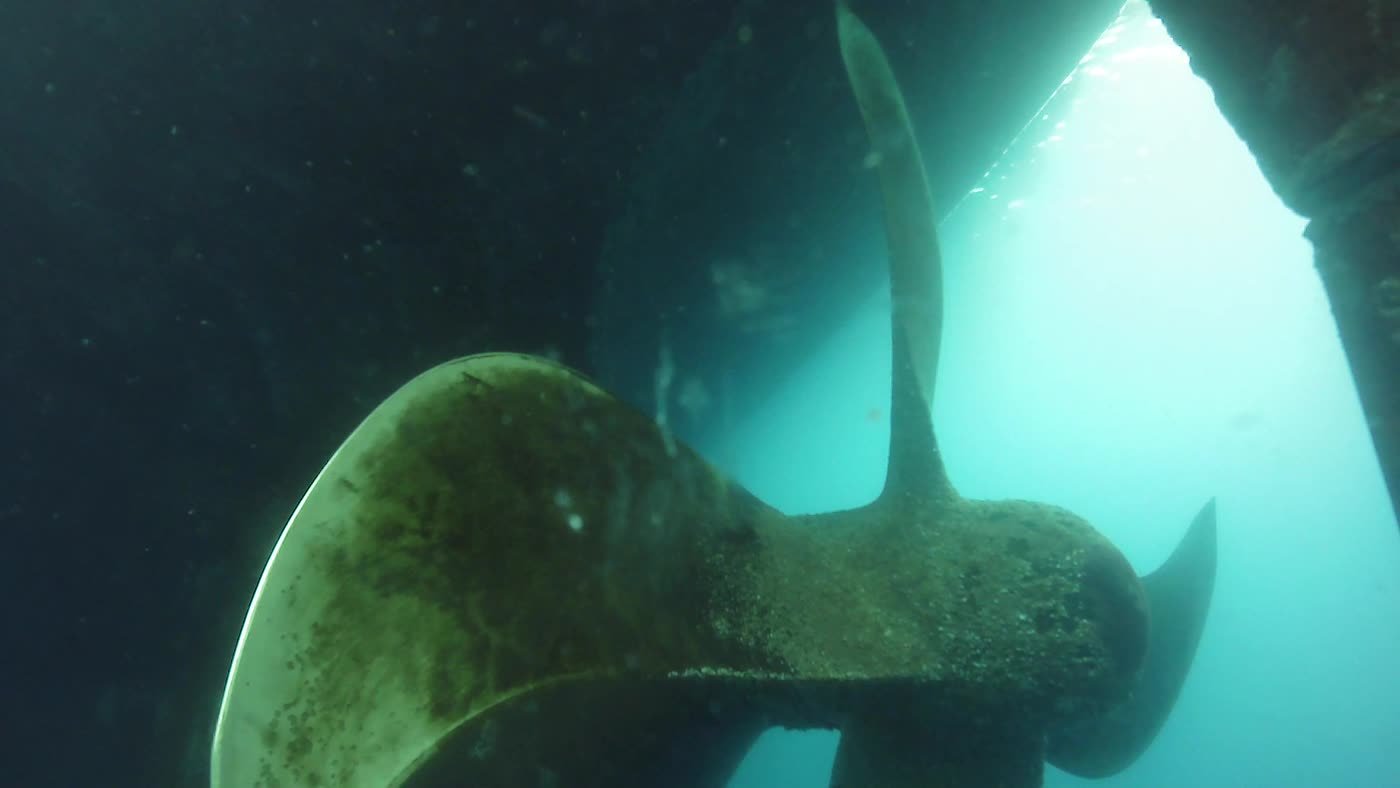
Mooring structures are often located in areas of strong current, poor visibility or great depth. The ROV reaches where traditional diving cannot, or is unsafe.
Extended depth
The ROV operates at depths beyond commercial diving limits, reaching structures in deep water.
No personnel risk
Completely eliminates diver risk in strong currents, turbid water or unstable infrastructure.
Continuous recording
Uninterrupted FullHD video of the entire operation, available for later review by the client.
Georef. data
Surface-integrated GPS positioning and depth sensors for precise mapping of findings.
Related services
Mooring inspection is part of an ecosystem of specialized marine services
A-52/007 Regulation
Everything about the DIRECTEMAR circular regulating hull cleaning in Chile. Requirements and compliance.
ROV Hull Cleaning
Robotic hull cleaning with active suction system. No dry dock, no operational downtime.
Underwater Inspection
Visual and technical hull inspection with FullHD ROV. Certified reports for DIRECTEMAR.
Anti-Narcotics Inspection
Technical hull search for attached foreign objects. Certified ISPS protocol.
When should mooring or port infrastructure be inspected?
Mooring structures and port facilities endure extreme conditions: marine corrosion, current impact, biofouling and dynamic berthing loads. An ROV inspection detects faults before they become accidents or operational shutdowns.
Periodic inspection is recommended in the following cases:
ROV inspection process
Every mooring and port facility inspection follows a structured protocol ensuring complete coverage and certifiable documentation for maritime authorities and insurers.
Frequently asked questions
Does the vessel need to be taken out of service to inspect its mooring?
No. The ROV operates from the pier or a support vessel without affecting port operations. The vessel can remain berthed or operating while its mooring system and lines are inspected.
At what depth can the ROV inspect moorings?
MARES CHILE ROVs operate at depths beyond standard commercial diving limits, reaching mooring sinkers and anchors in deep water where diving is not technically feasible or safe.
Is the inspection report valid for DIRECTEMAR and insurers?
Yes. MARES CHILE technical reports include FullHD video, georeferenced photographs, findings sheet and technical damage description, in the format required by the Maritime Authority and the main marine insurers operating in Chile.
Do you also inspect piles and structures under the pier?
Yes. Inspection of concrete and steel piles, basin floors, breakwaters and sheet piling is part of the service. We detect cracks, corrosion, scour and biodeterioration from marine fouling affecting the pier's structural integrity.
Also need a hull or underwater-hull inspection? See ROV underwater inspection. For biofouling regulatory compliance, see DIRECTEMAR Circular A-52/007.
Need to inspect your port infrastructure?
We adapt to each terminal's operating conditions. We coordinate within 48 hours.
Arrange Inspection